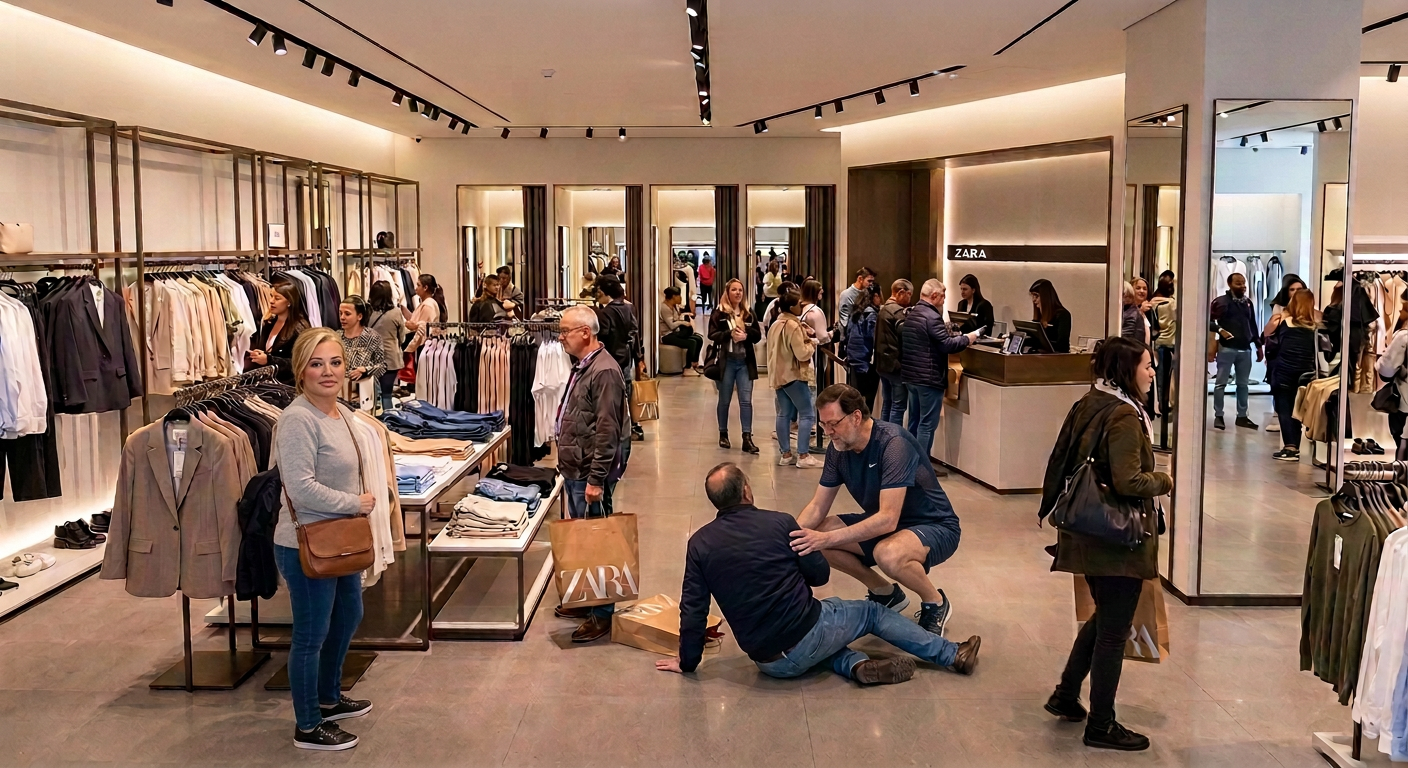
Historia de Zara
Zara, una de las cadenas de moda más reconocidas a nivel mundial, es parte del grupo Inditex y ha dejado una huella significativa en la industria del vestuario. Su historia es un ejemplo de innovación en el comercio minorista y de adaptación a las tendencias del mercado.
Zara, una de las cadenas de moda más reconocidas del mundo e integrante del grupo Inditex, ha dejado una huella significativa en la industria del vestuario. Su historia es un ejemplo de innovación en el comercio minorista y de capacidad de adaptación a las tendencias del mercado.
Orígenes
Fundación
Zara fue fundada en 1974 por Amancio Ortega y Rosalía Mera en A Coruña, España. Inició como una pequeña tienda que ofrecía ropa asequible y de moda, diseñada para el público en general.
Primeros pasos
La tienda original de Zara se centraba en la venta de ropa para mujeres, pero rápidamente comenzó a expandir su oferta, incluyendo líneas para hombres y niños. Esto permitió a la marca captar una mayor cuota de mercado.
Expansión Internacional
Crecimiento en Europa
A finales de los años 80, Zara comenzó su expansión internacional, abriendo tiendas en Portugal y luego en otras ciudades europeas. Este crecimiento fue posible gracias al modelo de negocio de «moda rápida», que se centraba en ofrecer las últimas tendencias a precios accesibles.
Globalización
En la década de 1990, Zara dio el salto a mercados fuera de Europa, estableciendo tiendas en mercados como Estados Unidos, México y Japón. Este movimiento global consolidó su presencia y le permitió adaptarse a diversas culturas y estilos.
Innovación en la Industria
Modelo de «Fast Fashion»
Zara es conocida por su enfoque en la moda rápida, capaz de llevar las tendencias de la pasarela a las tiendas en un tiempo récord. Este modelo ha revolucionado la manera en que los consumidores compran y se relacionan con la moda.
Producción y Distribución
La compañía ha innovado en su cadena de suministro, utilizando tecnología avanzada para gestionar la producción y distribución. Esto le permite reaccionar rápidamente a los cambios en las preferencias del consumidor.
Sostenibilidad y Futuro
Compromiso con el Medio Ambiente
En los últimos años, Zara ha aumentado su compromiso con la sostenibilidad, implementando prácticas más responsables en su producción y buscando reducir su impacto ambiental.
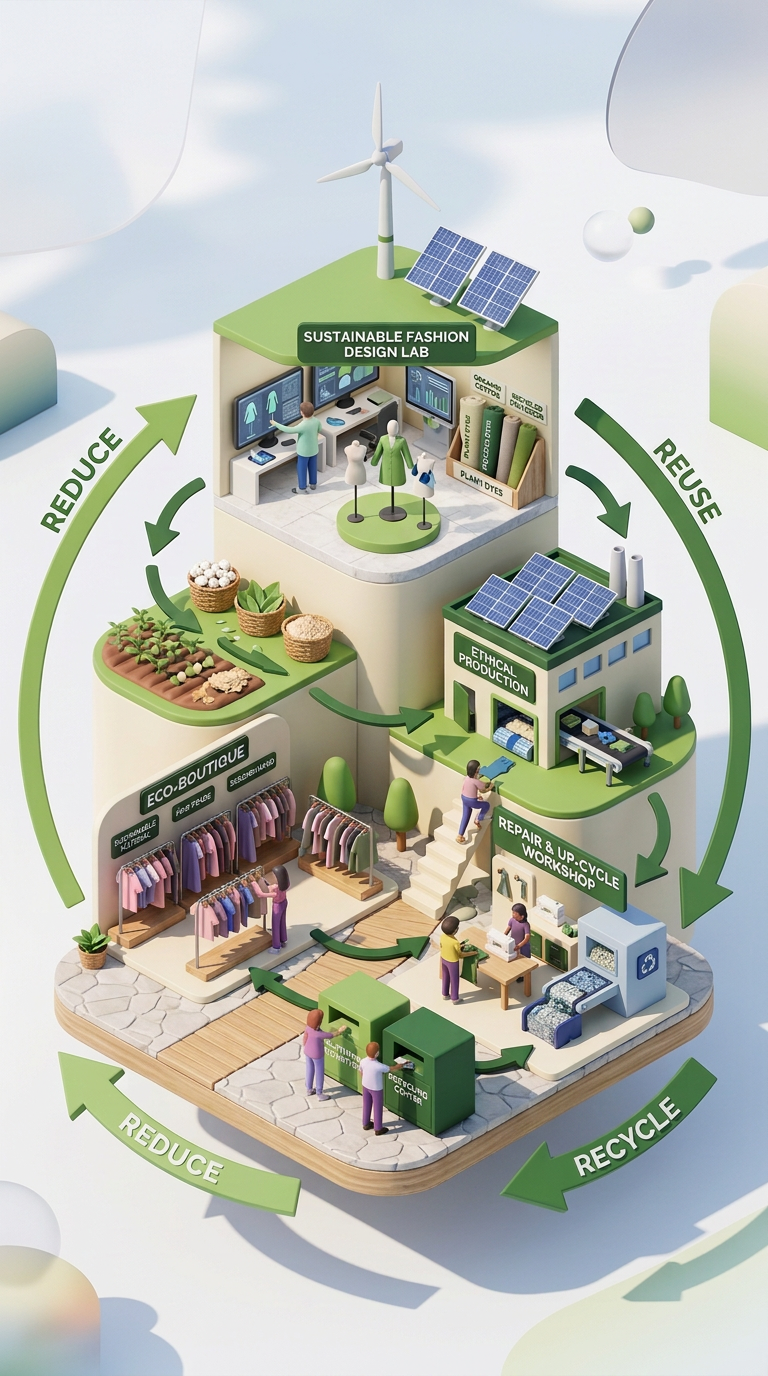
Mirando hacia el futuro
Zara continúa su expansión, enfocándose en nuevas tecnologías y en la experiencia del cliente. El futuro de la marca se centra en mantener su relevancia en un mundo en constante cambio.
Conclusión
La historia de Zara es un testimonio de la capacidad de innovación y adaptación en la industria de la moda. Con su modelo de negocio único y su enfoque en las tendencias, continúa siendo un líder en el sector.
Historia de Zara
Zara, la marca insignia del grupo Inditex, ha revolucionado la industria de la moda desde su fundación. Pero, ¿cuál es realmente la historia detrás de esta cadena que ha tomado por asalto el mundo? Desde sus humildes comienzos hasta su estatus actual como gigante global, la trayectoria de Zara es tan cautivadora como controvertida.
Los inicios: de tienda local a imperio global
La fundación
Zara fue fundada en 1974 por Amancio Ortega y Rosalía Mera en A Coruña, España. En un pequeño local, la pareja comenzó vendiendo ropa que reproducía diseños de alta costura, pero a un precio asequible, lo que permitió que un público más amplio pudiera acceder a la moda sin comprometer su presupuesto. Sin embargo, lo que realmente destacaba era la rapidez con la que Zara podía llevar nuevas colecciones a sus tiendas, un proceso que a menudo llevaba solo unas pocas semanas desde la idea inicial hasta la prenda disponible al cliente. Esta agilidad se convirtió en su sello distintivo, permitiéndoles reaccionar rápidamente a las tendencias emergentes y adaptarse a las preferencias cambiantes de los consumidores, lo que favoreció su crecimiento exponencial y su expansión internacional en las décadas posteriores.
El modelo de negocio innovador
Zara no solo se centró en la moda, sino que reconfiguró la cadena de suministro tradicional. Con un enfoque en el «fast fashion», la marca desarrolló un sistema que permitía diseñar, producir y vender una prenda en un tiempo récord. ¿La clave? Escuchar a los clientes y responder a sus deseos casi instantáneamente. Esto ha llevado a que Zara no solo sea conocida por sus precios accesibles, sino también por su capacidad de anticipar tendencias.
La expansión internacional: conquistando el mundo
De España al planeta entero
La primera tienda fuera de España se abrió en 1988 en Oporto, Portugal. Desde entonces, la globalización de Zara ha sido imparable. Con miles de puntos de venta en casi todos los continentes, la imagen de Zara ahora es sinónimo de moda rápida y accesible. Pero, ¿a qué costo se ha logrado tal monopolio?
Críticas y controversias
Zara no ha estado exenta de críticas. Desde cuestionamientos sobre la explotación laboral en sus fábricas hasta acusaciones de plagio de diseños, la marca ha enfrentado su cuota de controversias. Sin embargo, a pesar de los escándalos, su popularidad no ha disminuido. ¿Es la moda un reflejo fiel de la ética, o simplemente un negocio que se alimenta del deseo desenfrenado por lo nuevo?
El presente y el futuro: tendencias y desafíos
Sostenibilidad en la mirada
Recientemente, Zara ha hecho un esfuerzo por posicionarse como un líder en sostenibilidad, lanzando iniciativas que buscan reducir su impacto ambiental. Sin embargo, muchas personas se preguntan: ¿es esto un verdadero cambio o simplemente una estrategia de marketing? La presión para adaptarse a un mundo que requiere responsabilidad social y ambiental es, en efecto, más fuerte que nunca, y es comprensible que existan dudas sobre las intenciones detrás de estas acciones.
La próxima revolución: ¿qué sigue para Zara?
A medida que las plataformas digitales y el comercio electrónico se convierten en el estándar, Zara debe adaptarse a un nuevo panorama. La pregunta inevitable es si podrá seguir siendo relevante en un mundo donde la moda rápida enfrenta un rechazo creciente. La historia de Zara está lejos de terminar y lo que está por venir podría ser su mayor reto hasta la fecha.
Zara es un ejemplo de la intersección entre arte y negocio en la moda, destacando la historia interesante detrás de cada prenda.
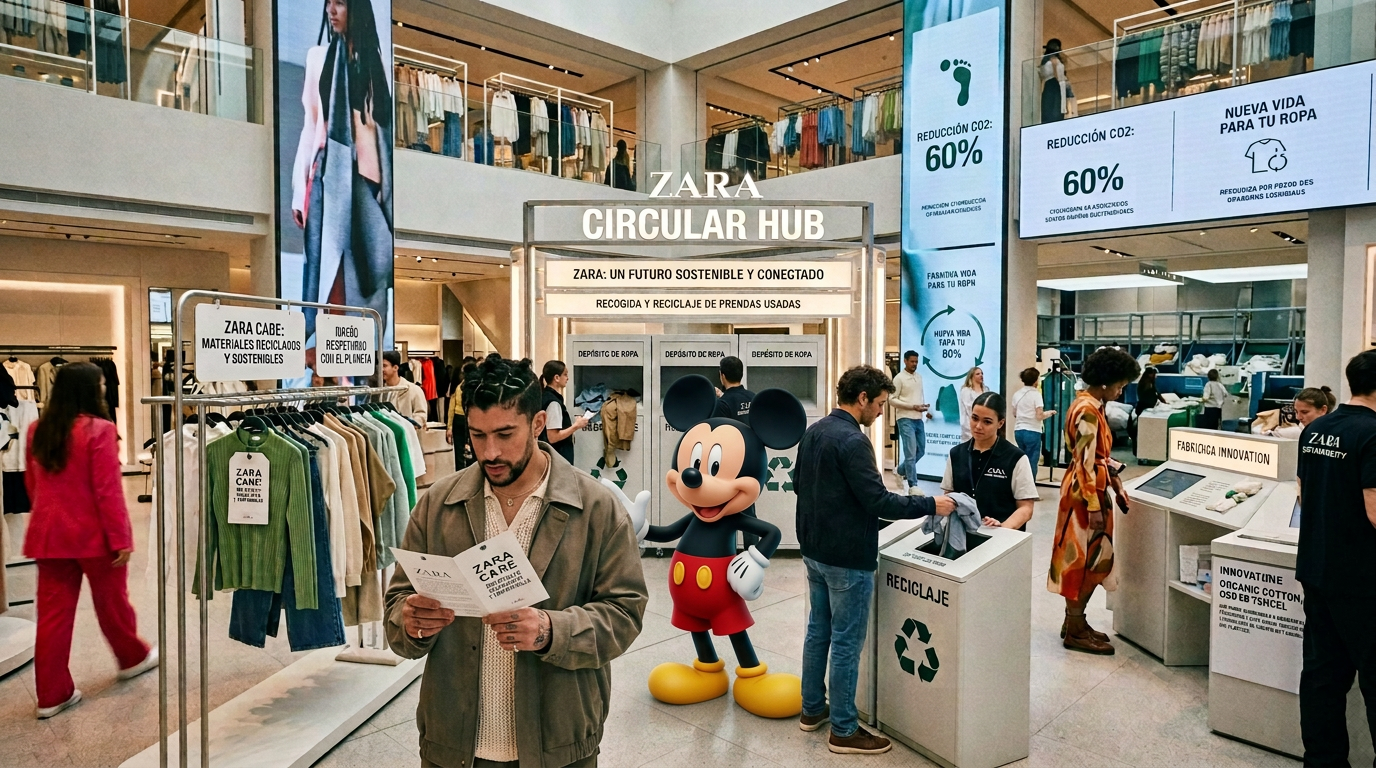
History of Zara
Zara, one of the most recognized fashion chains worldwide, is part of the Inditex group and has left a significant mark on the apparel industry. Its history is an example of innovation in retail and adaptation to market trends.
Origins
Foundation
Zara was founded in 1974 by Amancio Ortega and Rosalía Mera in A Coruña, Spain. It started as a small store offering affordable and fashionable clothing designed for the general public.
First Steps
The original Zara store focused on selling women’s clothing but quickly began expanding its offerings to include lines for men and children. This allowed the brand to capture a larger market share.
International Expansion
Growth in Europe
In the late 1980s, Zara began its international expansion, opening stores in Portugal and then in other European cities. This growth was made possible by the «fast fashion» business model, which focused on delivering the latest trends at affordable prices.
Globalization
In the 1990s, Zara took the leap into markets outside Europe, establishing stores in markets such as the United States, Mexico, and Japan. This global move solidified its presence and allowed it to adapt to diverse cultures and styles.
Innovation in the Industry
Fast Fashion Model
Zara is known for its fast fashion approach, capable of bringing runway trends to stores in record time. This model has revolutionized the way consumers shop and interact with fashion.
Production and Distribution
The company has innovated in its supply chain, using advanced technology to manage production and distribution. This allows it to quickly respond to changes in consumer preferences.
Sustainability and Future
Commitment to the Environment
In recent years, Zara has increased its commitment to sustainability, implementing more responsible practices in its production and seeking to reduce its environmental impact.
Looking to the Future
Zara continues its expansion, focusing on new technologies and customer experiences. The brand’s future is centered on maintaining its relevance in a constantly changing world.
Conclusion
The history of Zara is a testament to the capacity for innovation and adaptation in the fashion industry. With its unique business model and focus on trends, it continues to be a leader in the sector.
History of Zara
Zara, the flagship brand of the Inditex group, has revolutionized the fashion industry since its foundation. But what is really the story behind this chain that has taken the world by storm? From its humble beginnings to its current status as a global giant, Zara’s trajectory is as captivating as it is controversial.
The Beginnings: From Local Store to Global Empire
The Foundation
Zara was founded in 1974 by Amancio Ortega and Rosalía Mera in A Coruña, Spain. In a small storefront, the couple began selling clothing that replicated high-fashion designs but at an affordable price, allowing a broader audience to access fashion without compromising their budget. However, what truly stood out was the speed with which Zara could bring new collections to its stores, a process that often took only a few weeks from the initial idea to the garment available to the customer. This agility became its hallmark, enabling them to quickly respond to emerging trends and adapt to changing consumer preferences, which fostered its exponential growth and international expansion in the following decades.
The Innovative Business Model
Zara not only focused on fashion but also reconfigured the traditional supply chain. With an emphasis on «fast fashion,» the brand developed a system that allowed it to design, produce, and sell a garment in record time. The key? Listening to customers and responding to their desires almost instantly. This has led Zara to be known not only for its affordable prices but also for its ability to anticipate trends.
International Expansion: Conquering the World
From Spain to the Entire Planet
The first store outside of Spain opened in 1988 in Porto, Portugal. Since then, Zara’s globalization has been unstoppable. With thousands of retail locations on almost every continent, Zara’s image is now synonymous with fast and accessible fashion. But at what cost has such a monopoly been achieved?
Criticism and Controversies
Zara has not been without its critics. From concerns over labor exploitation in its factories to accusations of design plagiarism, the brand has faced its share of controversies. However, despite the scandals, its popularity has not waned. Is fashion a true reflection of ethics, or simply a business that feeds on the unrestrained desire for the new?
The Present and the Future: Trends and Challenges
Sustainability in Focus
Recently, Zara has made an effort to position itself as a leader in sustainability, launching initiatives aimed at reducing its environmental impact. However, many people wonder: is this a genuine change or just a marketing strategy? The pressure to adapt to a world that demands social and environmental responsibility is indeed stronger than ever, and it is understandable that there are doubts about the intentions behind these actions.
The Next Revolution: What’s Next for Zara?
As digital platforms and e-commerce become the standard, Zara must adapt to a new landscape. The inevitable question is whether it will remain relevant in a world where fast fashion faces growing rejection. The story of Zara is far from over, and what is to come could be its greatest challenge to date.
Zara is an example of the intersection between art and business in fashion, highlighting the interesting story behind each garment.